Umberto Eco
Italia · Sulla mappa · Scrittori · 1932-2016 · 84 anni · anche Serbia
Umberto Eco (Alessandria, 5 gennaio 1932 - Milano, 19 febbraio 2016) è stato un semiologo, filosofo, scrittore, traduttore, bibliofilo e medievalista italiano. Saggista e intellettuale, scrisse numerosi testi di semiotica, estetica medievale, linguistica e filosofia, oltre a romanzi di successo.
Testo tratto da Wikipedia, CC BY-SA 4.0
Umberto Eco: circa 2347 letture al giorno, in 115 lingue.
Un giorno tipico, 30 giorni fino al giorno 20 novembre 2026
Il giorno centrale tra quelli contati, quindi una settimana di notizie non può spostarlo. La linea sotto mostra gli ultimi 400 giorni, un punto al giorno.
Qualcosa non va?Una vita in date
Intorno a Umberto

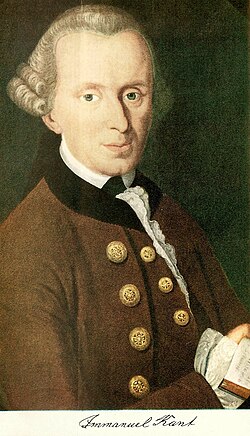 Immanuel Kant Ha influenzato Umberto
 James Joyce Ha influenzato Umberto
 Thomas Aquinas Ha influenzato Umberto
 Jorge Luis Borges Ha influenzato Umberto
 Arthur Conan Doyle Ha influenzato Umberto
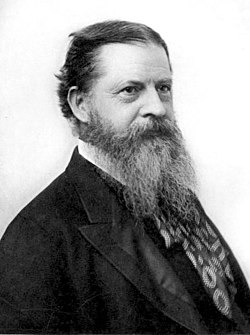 Charles Sanders Peirce Ha influenzato Umberto
 Michelangelo Antonioni Regia: La Notte (1962)
 Jean-Jacques Annaud Regia: The Name of the Rose (1986)
 Bernd Eichinger Produzione: The Name of the Rose (1986)
 Franco Cristaldi Produzione: The Name of the Rose (1986)
 Jake Eberts Produzione: The Name of the Rose (1986)
 Alexandre Mnouchkine Produzione: The Name of the Rose (1986)
 Zurab Karumidze Tra le sue influenze: Umberto
 Elisabetta Sgarbi Tra i fondatori: La nave di Teseo
 Umberto Eco
Partner
È tutta la famiglia?
Sono mostrati solo i parenti che hanno un profilo qui, quindi una famiglia può essere più grande. Anche un legame può essere sbagliato. Un matrimonio appare concluso solo se la sua fine è registrata: un coniuge mostrato qui potrebbe quindi essere un ex coniuge.
Correggi questa famigliaMedia e musica
Foto 8


Citazioni 4
, How should we deal with intrusions of fiction into life, now that we have seen the historical impact that this phenomenon can have?
The language of Europe is translation.
A democratic civilization will save itself only if it makes the language of the image into a stimulus for critical reflection - not an invitation for hypnosis.
Premi
Su questa persona
Nel 1971 è stato tra gli ispiratori del primo corso del DAMS all'Università di Bologna. Tra i suoi romanzi più famosi figura Il nome della rosa, vincitore del Premio Strega e tradotto in 47 lingue diverse, che è divenuto un bestseller di fama internazionale avendo venduto oltre 50 milioni di copie in tutto il mondo; da quest'opera sono stati tratti un film di successo e una serie televisiva.
Testo tratto da Wikipedia, CC BY-SA 4.0


