Immanuel Kant
Accademici · 1724-1804 · 79 anni
Immanuel Kant (Königsberg, 22 aprile 1724 - Königsberg, 12 febbraio 1804) è stato un filosofo tedesco.
Testo tratto da Wikipedia, CC BY-SA 4.0
Immanuel Kant: circa 6632 letture al giorno, in 184 lingue.
Un giorno tipico, 30 giorni fino al giorno 20 novembre 2026
Il giorno centrale tra quelli contati, quindi una settimana di notizie non può spostarlo. La linea sotto mostra gli ultimi 400 giorni, un punto al giorno.
Qualcosa non va?Una vita in date
Intorno a Immanuel
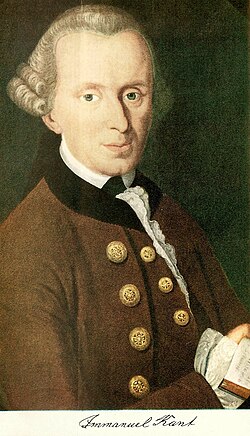
 Johann Gottlieb Fichte Ha studiato con Immanuel
 Jeremias Benjamin Richter Ha studiato con Immanuel
- Martin Knutzen Ha insegnato a Immanuel
 Markus Herz Ha studiato con Immanuel
 Christian Jakob Kraus Ha studiato con Immanuel
- Jakob Sigismund Beck Ha studiato con Immanuel
 Isaac Abraham Euchel Ha studiato con Immanuel
 Isaac Newton Ha influenzato Immanuel
 Plato Ha influenzato Immanuel
 René Descartes Ha influenzato Immanuel
 Jean-Jacques Rousseau Ha influenzato Immanuel
 John Locke Ha influenzato Immanuel
 Gottfried Wilhelm Leibniz Ha influenzato Immanuel
 Baruch Spinoza Ha influenzato Immanuel
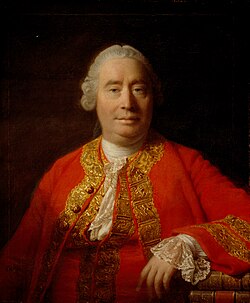 David Hume Ha influenzato Immanuel
 Michel de Montaigne Ha influenzato Immanuel
 Christian Wolff Ha influenzato Immanuel
 Nicolas Malebranche Ha influenzato Immanuel
 Francis Hutcheson Ha influenzato Immanuel
 Johannes Nikolaus Tetens Ha influenzato Immanuel
 Fyodor Dostoevsky Tra le sue influenze: Immanuel
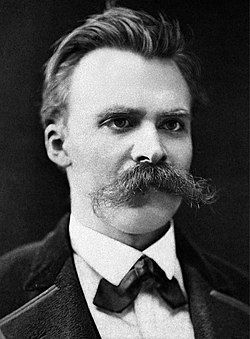 Friedrich Nietzsche Tra le sue influenze: Immanuel
 Georg Wilhelm Friedrich Hegel Tra le sue influenze: Immanuel
 Arthur Schopenhauer Tra le sue influenze: Immanuel
Genitori
 Immanuel Kant
È tutta la famiglia?
Sono mostrati solo i parenti che hanno un profilo qui, quindi una famiglia può essere più grande. Anche un legame può essere sbagliato.
Correggi questa famigliaMedia e musica
Foto 12


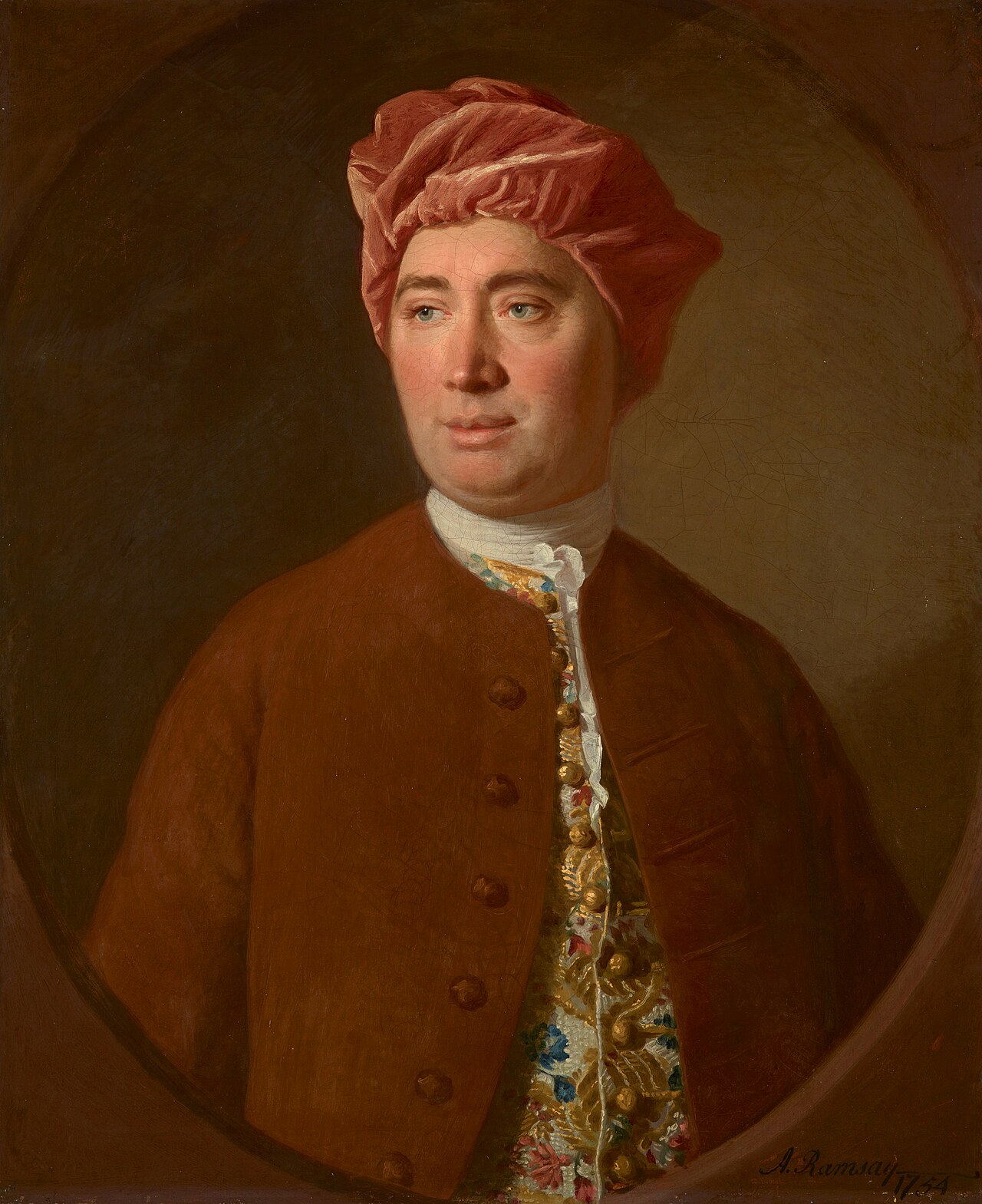


Citazioni 6
, As everybody likes to be honoured, so people imagine that God also wants to be honoured. They forget that the fulfilment of duty towards men is the only honour adequate to him.
[Religion should be] .... successively freed from all statutes based on history, and one purely moral religion rule over all, in order that God might be all in all.
Out of the crooked timber of humanity, no straight thing was ever made.
Su questa persona
Considerato uno dei filosofi più importanti del pensiero occidentale, fu il più significativo esponente dell'Illuminismo tedesco, anticipatore degli elementi basilari della filosofia idealistica e di gran parte di quella successiva. Kant concepì la propria filosofia come una rivoluzione filosofica (o "rivoluzione copernicana"), volta a superare il dogmatismo metafisico, che per Kant caratterizzava il pensiero precedente, e ad assumere i caratteri di una ricerca critica sulle condizioni del conoscere. Benché non pochi elementi propri dell'idealismo trascendentale kantiano siano stati nel tempo oggetto di notevoli critiche, soprattutto di natura logica (Brentano, Boole, Frege, Russell, Wittgenstein, Kripke) e nonostante uno dei pilastri della sua filosofia critica, vale a dire l'idealismo dei concetti di spazio e tempo, sia stato rigettato in toto da molti esponenti della fisica contemporanea (Einstein e i suoi allievi), Kant rimane un pensatore fondamentale per la comprensione della filosofia moderna, di cui è considerato dai critici una delle figure fondanti; è stato altresì evidenziato l'importante rapporto tra la filosofia kantiana e il Romanticismo.
Testo tratto da Wikipedia, CC BY-SA 4.0


