William James
Stati Uniti · Sulla mappa · Accademici · 1842-1910 · 68 anni
William James (New York, 11 gennaio 1842 - Tamworth, 26 agosto 1910) è stato uno psicologo e filosofo statunitense di origine irlandese. Egli fu presidente della Society for Psychical Research dal 1894 al 1895.
Testo tratto da Wikipedia, CC BY-SA 4.0
William James: circa 1219 letture al giorno, in 89 lingue.
Un giorno tipico, 30 giorni fino al giorno 19 novembre 2026
Il giorno centrale tra quelli contati, quindi una settimana di notizie non può spostarlo. La linea sotto mostra gli ultimi 400 giorni, un punto al giorno.
Qualcosa non va?Una vita in date
Intorno a William

 Edward Thorndike Ha studiato con William
 Pierre Janet Ha insegnato a William
 Mary Whiton Calkins Ha studiato con William
- Arthur Oncken Lovejoy Ha studiato con William
 Robert S. Woodworth Ha studiato con William
 Boris Sidis Ha studiato con William
 William Morris Hunt Ha insegnato a William
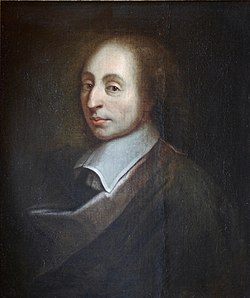 Blaise Pascal Ha influenzato William
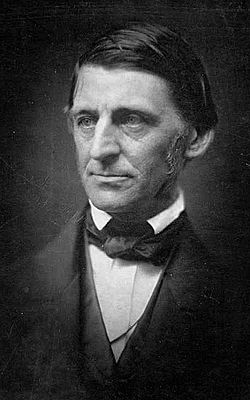 Ralph Waldo Emerson Ha influenzato William
 W. E. B. Du Bois Tra le sue influenze: William
 Hilary Putnam Tra le sue influenze: William
- Clarence Irving Lewis Tra le sue influenze: William
 Władysław Witwicki Tra le sue influenze: William
 Richard Davidson Tra le sue influenze: William
- Edwin Holt Tra le sue influenze: William
Genitori

 William James
Partner

Fratelli e sorelle

È tutta la famiglia?
Sono mostrati solo i parenti che hanno un profilo qui, quindi una famiglia può essere più grande. Anche un legame può essere sbagliato. Un matrimonio appare concluso solo se la sua fine è registrata: un coniuge mostrato qui potrebbe quindi essere un ex coniuge.
Correggere questa famigliaMedia e musica
Foto 8


Citazioni 4
, Freedom is only necessity understood.
Old-fashioned determinism was what we may call hard determinism. It did not shrink from such words as fatality, bondage of the will, necessitation, and the like.
Pretend what we may, the whole man within us is at work when we form our philosophical opinions.
Su questa persona
Insieme a Charles Sanders Peirce, James fondò la scuola filosofica del pragmatismo, ed è anche citato come uno dei fondatori della psicologia funzionale. Un'analisi del Review of General Psychology, pubblicata nel 2002, ha classificato James come il 14° psicologo più eminente del XX secolo. Un sondaggio pubblicato su American Psychologist nel 1991 ha classificato la reputazione di James al secondo posto, dopo Wilhelm Wundt, il quale ampiamente considerato come il fondatore della psicologia sperimentale. James ha anche sviluppato la prospettiva filosofica nota come empirismo radicale. Il lavoro di James ha influenzato filosofi e accademici come Émile Durkheim, William Edward Burghardt Du Bois, Edmund Husserl, Carl Gustav Jung, Bertrand Russell, Ludwig Wittgenstein, John Dewey, Hilary Putnam, Richard Rorty e Marilynne Robinson. Nato in una famiglia benestante, James era il figlio del teologo Henry James Senior e il fratello sia del famoso romanziere Henry James sia della diarista Alice James. James si formò come medico e insegnò anatomia ad Harvard, ma non ha mai praticato la medicina. Perseguì invece i suoi interessi per la psicologia e poi la filosofia. James ha scritto ampiamente su molti argomenti, tra cui epistemologia, educazione, metafisica, psicologia, religione e misticismo. Tra i suoi libri più influenti ci sono Principi di Psicologia, un testo rivoluzionario nel campo della psicologia; Saggi di empirismo radicale, un testo importante in filosofia; e Le varie forme dell'esperienza religiosa, un'indagine su diverse forme di esperienza religiosa, comprese le teorie sulla cura della mente.
Testo tratto da Wikipedia, CC BY-SA 4.0


