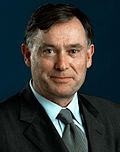
Rudolf Höß
Germania · Sulla mappa · Politici · 1901-1947 · 45 anni
Rudolf Franz Ferdinand Höß /ˈʀudɔlf fʀant͡s ˈfeɐ̯dinant hœs/ (varianti: Höss, Hoeß, Hoess; Baden-Baden, 25 novembre 1901 - Auschwitz, 16 aprile 1947) è stato un militare e criminale di guerra tedesco, membro delle SS e primo comandante del campo di concentramento di Auschwitz.
Testo tratto da Wikipedia, CC BY-SA 4.0
Rudolf Höß: circa 4552 letture al giorno, in 48 lingue.
Un giorno tipico, 30 giorni fino al giorno 21 novembre 2026
Il giorno centrale tra quelli contati, quindi una settimana di notizie non può spostarlo. La linea sotto mostra gli ultimi 405 giorni, un punto al giorno.
Qualcosa non va?Una vita in date
Intorno a Rudolf


 Rudolf Höß
Partner
È tutta la famiglia?
Sono mostrati solo i parenti che hanno un profilo qui, quindi una famiglia può essere più grande. Anche un legame può essere sbagliato. Un matrimonio appare concluso solo se la sua fine è registrata: un coniuge mostrato qui potrebbe quindi essere un ex coniuge.
Correggi questa famigliaMedia e musica
Foto 8


Citazioni 3
, This mass extermination, with all its attendant circumstances, did not, as I know, fail to affect those who took part in it.
They developed out of the situation. The courts brought in a lot of people who had to be shot.
We cut the hair from women after they had been exterminated in the gas chambers. The hair was then sent to factories, when it was woven into special fittings for gaskets.
Premi
Su questa persona
Nato in una famiglia cattolica, si iscrisse al Partito nazista nel 1922 e si arruolò nelle SS nel 1934, fino a divenire un medio gerarca. A lui si devono la rapida costruzione del campo e l'impiego del gas Zyklon B (acido cianidrico) nelle camere a gas per semplificare e velocizzare le uccisioni. Catturato dagli Alleati e testimone al processo di Norimberga, fu giudicato colpevole di crimini contro l'umanità dalla Corte Suprema di Varsavia e venne impiccato nel cortile del campo di Auschwitz il 16 aprile 1947, dopo essersi convertito nuovamente, in extremis, alla fede cattolica. Le sue memorie, intitolate Comandante ad Auschwitz, costituirono l'atto d'accusa principale nei primi processi sulla Shoah assieme alle deposizioni dei gerarchi e ai filmati degli angloamericani.
Testo tratto da Wikipedia, CC BY-SA 4.0