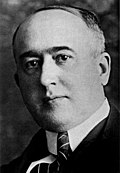
Muhammad Iqbal
Accademici · 1877-1938 · 60 anni
Sir Muhammad Iqbal (Sialkot, 9 novembre 1877 - Lahore, 21 aprile 1938) è stato un poeta, filosofo, politico, barrister e opinionista dell'India britannica. È considerato il "padre spirituale" e il poeta nazionale del Pakistan, nonché una delle figure più importanti della letteratura urdu.
Testo tratto da Wikipedia, CC BY-SA 4.0
Muhammad Iqbal: circa 1307 letture al giorno, in 85 lingue.
Un giorno tipico, 30 giorni fino al giorno 19 novembre 2026
Il giorno centrale tra quelli contati, quindi una settimana di notizie non può spostarlo. La linea sotto mostra gli ultimi 400 giorni, un punto al giorno.
Qualcosa non va?Una vita in date
Intorno a Muhammad

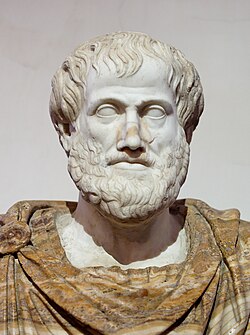 Aristotle Ha influenzato Muhammad
 Muhammad Ha influenzato Muhammad
 Leo Tolstoy Ha influenzato Muhammad
 Johann Wolfgang von Goethe Ha influenzato Muhammad
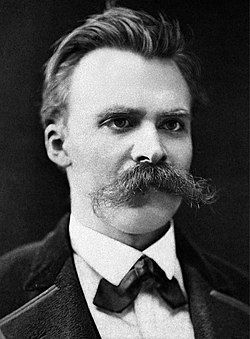 Friedrich Nietzsche Ha influenzato Muhammad
 Georg Wilhelm Friedrich Hegel Ha influenzato Muhammad
 Rumi Ha influenzato Muhammad
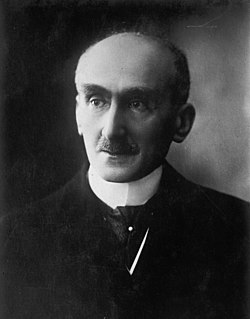 Henri Bergson Ha influenzato Muhammad
 Syed Abul Ala Maududi Ha influenzato Muhammad
 Bayazid Bastami Ha influenzato Muhammad
 Ahmad Sirhindi Ha influenzato Muhammad
 Thomas Walker Arnold Ha influenzato Muhammad
 Faiz Ahmad Faiz Tra le sue influenze: Muhammad
 Muhammad Tahir-ul-Qadri Tra le sue influenze: Muhammad
- Abul Hasan Ali Hasani Nadwi Tra le sue influenze: Muhammad
- Fazlur Rahman Malik Tra le sue influenze: Muhammad
 Ghulam Ahmed Pervez Tra le sue influenze: Muhammad
 Jawdat Said Tra le sue influenze: Muhammad
 Abdennour Bidar Tra le sue influenze: Muhammad
Genitori

 Muhammad Iqbal
Partner

È tutta la famiglia?
Sono mostrati solo i parenti che hanno un profilo qui, quindi una famiglia può essere più grande. Anche un legame può essere sbagliato. Un matrimonio appare concluso solo se la sua fine è registrata: un coniuge mostrato qui potrebbe quindi essere un ex coniuge.
Correggi questa famigliaMedia e musica
Foto 8


Citazioni 4
, Muhammad of Arabia ascended the highest Heaven and returned.
I have already indicated to you the meaning of the word religion, as applied to Islam. The truth is that Islam is not a Church.
To this convention you must re-state as clearly and as strongly as possible, the political objective of Indian Muslims as a distinct political unit in the country.
Premi
Su questa persona
È autore di opere letterarie sia in urdu che in persiano. Iqbal è ammirato come poeta anche dagli indiani, dagli iraniani, dal popolo del Bangladesh, dello Sri Lanka e da diversi studiosi internazionali di letteratura. È spesso citato con l'epiteto di ʿAllāma (lett. "sapientissimo") e acclamato, oltre che come poeta, anche come pensatore filosofico musulmano dei tempi moderni. Il suo primo libro di poesie, Asrar-i-Khudi, è apparso in lingua persiana nel 1915, e, a seguire, il Rumuz-i-Bekhudi, il Payam-i-Mashriq e lo Zabur-i-Ajam. Tra questi, i suoi più noti lavori in Urdu sono, il Bang-i-Dara, il Bal-i-Jibril, e lo Zarb-i Kalim e una parte dell'Armughan-e-Hijaz. Sia il complesso di opere di poesia urdu e persiana, che le sue lezioni e le lettere in urdu e in inglese hanno suscitato nel tempo, notevoli controversie culturali, sociali, religiose e politiche. Nel 1922, fu nominato da re Giorgio V cavaliere. Lo stesso gli concesse il titolo di "Sir". In Inghilterra, mentre studiava diritto e filosofia, divenne membro della filiale di Londra della All-India Muslim League. Più tardi, nel dicembre 1930, durante una sessione della Lega Musulmana, presentò il suo più famoso discorso presidenziale noto come "Allahabad Address", in cui spinse per la creazione di uno Stato islamico nel nord-ovest dell'India. In gran parte dell'Asia meridionale e del mondo dove si parla Urdu, Iqbal è considerato come lo Shair-e-Mashriq. Viene anche chiamato Mufakkir-e-Pakistan, Musawar-e-Pakistan e Hakeem-ul-Ummat. Il governo Pakistano lo ha nominato ufficialmente poeta nazionale. Il suo compleanno, Yom-e-Welādat-e Muhammad Iqbal o Iqbal day, in Pakistan è un giorno festivo. In India è ricordato anche come l'autore della canzone popolare, Saare Jahaan Se Achcha.
Testo tratto da Wikipedia, CC BY-SA 4.0