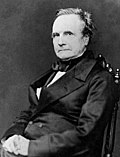
John Stuart Mill
Regno Unito · Sulla mappa · Accademici · 1806-1873 · 66 anni
John Stuart Mill (Londra, 20 maggio 1806 - Avignone, 8 maggio 1873) è stato un filosofo ed economista britannico, uno dei massimi esponenti del liberalismo e dell'utilitarismo e membro del Partito Liberale.
Testo tratto da Wikipedia, CC BY-SA 4.0
John Stuart Mill: circa 1812 letture al giorno, in 95 lingue.
Un giorno tipico, 30 giorni fino al giorno 19 novembre 2026
Il giorno centrale tra quelli contati, quindi una settimana di notizie non può spostarlo. La linea sotto mostra gli ultimi 400 giorni, un punto al giorno.
Qualcosa non va?Una vita in date
Intorno a John
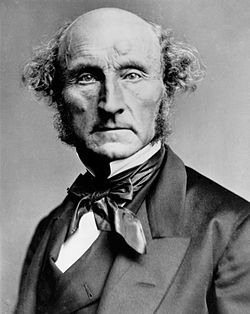
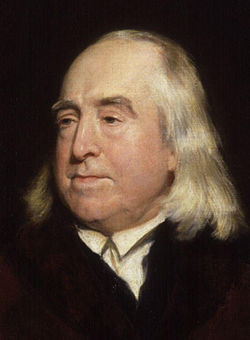 Jeremy Bentham Ha insegnato a John
 Bertrand Russell Tra le sue influenze: John
 Paul Dirac Tra le sue influenze: John
 Paul Krugman Tra le sue influenze: John
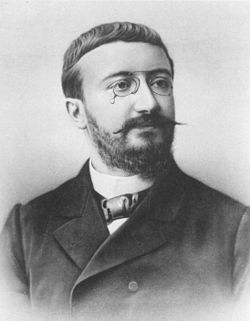 Alfred Binet Tra le sue influenze: John
 Wilhelm Dilthey Tra le sue influenze: John
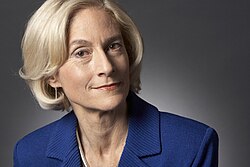 Martha Nussbaum Tra le sue influenze: John
 Henry Hyndman Tra le sue influenze: John
 Giulio Giorello Tra le sue influenze: John
 Søren Jaabæk Tra le sue influenze: John

 John Stuart Mill
Partner

È tutta la famiglia?
Sono mostrati solo i parenti che hanno un profilo qui, quindi una famiglia può essere più grande. Anche un legame può essere sbagliato. Un matrimonio appare concluso solo se la sua fine è registrata: un coniuge mostrato qui potrebbe quindi essere un ex coniuge.
Correggi questa famigliaMedia e musica
Foto 8


Citazioni 5
, How can great minds be produced in a country where the test of a great mind is agreeing in the opinions of small minds?
What is called the Law of Nations is not properly law, but a part of ethics: a set of moral rules, accepted as authoritative by civilized states.
War is an ugly thing, but not the ugliest of things: the decayed and degraded state of moral and patriotic feeling which thinks that nothing is worth a war, is much worse.
Premi
Su questa persona
Considerato uno dei pensatori più influenti nella storia del liberalismo classico, Mill contribuì ampiamente allo sviluppo della teoria sociale, della teoria politica e dell'economia politica. Definito "il filosofo di lingua inglese più influente del diciannovesimo secolo", concepiva la libertà come una giustificazione dell'autonomia dell'individuo in opposizione allo stato dal potere illimitato e al controllo sociale. Mill fu un sostenitore dell'utilitarismo, una teoria etica sviluppata dal suo predecessore Jeremy Bentham. Contribuì allo studio della metodologia scientifica, sebbene la sua conoscenza dell'argomento fosse basata sugli scritti di altri, in particolare su quelli di William Whewell, John Herschel e Auguste Comte e sulla ricerca condotta per lui da Alexander Bain. Intraprese un dibattito scritto con Whewell. Membro del Partito Liberale e autore del primo lavoro femminista scritto da un uomo, The Subjection of Women, Mill fu anche il secondo appartenente al Parlamento del Regno Unito a chiedere il suffragio femminile dopo Henry Hunt nel 1832.
Testo tratto da Wikipedia, CC BY-SA 4.0