John Keats
Regno Unito · Sulla mappa · Scrittori · 1795-1821 · 25 anni
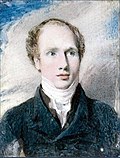
John Keats (Londra, 31 ottobre 1795 - Roma, 23 febbraio 1821) è stato un poeta britannico, unanimemente considerato uno dei più significativi letterati del Romanticismo, e uno dei principali esponenti della "seconda generazione romantica" inglese assieme a Lord Byron e Percy Bysshe Shelley, come loro deceduto in giovane età.
Testo tratto da Wikipedia, CC BY-SA 4.0
John Keats: circa 1691 letture al giorno, in 97 lingue.
Un giorno tipico, 30 giorni fino al giorno 19 novembre 2026
Il giorno centrale tra quelli contati, quindi una settimana di notizie non può spostarlo. La linea sotto mostra gli ultimi 400 giorni, un punto al giorno.
Qualcosa non va?Una vita in date
Intorno a John

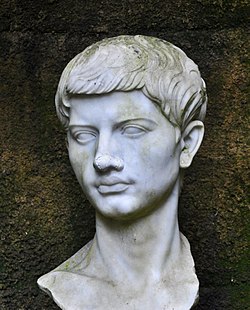 Virgil Ha influenzato John
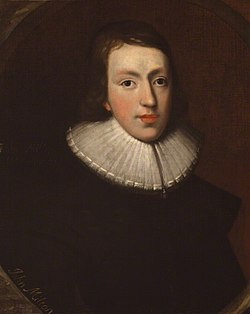 John Milton Ha influenzato John
 Edmund Spenser Ha influenzato John
 William Hazlitt Ha influenzato John
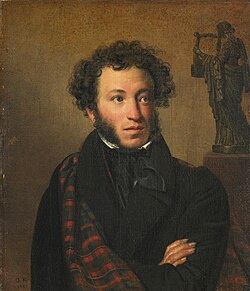 Alexander Pushkin Tra le sue influenze: John
 Robert Frost Tra le sue influenze: John
 Henry Wadsworth Longfellow Tra le sue influenze: John
 Seamus Heaney Tra le sue influenze: John
 Wilfred Owen Tra le sue influenze: John
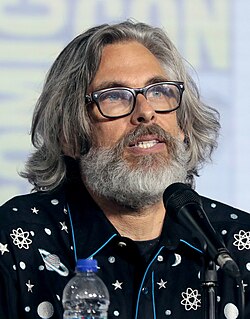 Michael Chabon Tra le sue influenze: John
 Samuel R. Delany Tra le sue influenze: John
 John Keats
Fratelli e sorelle

È tutta la famiglia?
Sono mostrati solo i parenti che hanno un profilo qui, quindi una famiglia può essere più grande. Anche un legame può essere sbagliato.
Correggi questa famigliaMedia e musica
Foto 8


Citazioni 4
, Here lies one whose name was writ in water.
None can usurp this height... / But those to whom the miseries of the world / Are misery, and will not let them rest.
In drear-nighted December, / Too happy, happy tree, / Thy branches ne'er remember / Their green felicity.
Su questa persona
Nato a Londra in una famiglia d'estrazione modesta, la sua vera vocazione letteraria si sviluppò all'età di quindici e sedici anni, quando fece copiose letture che lo avvicinarono a Shakespeare e alla poesia di Edmund Spenser. Lavorò alacremente, fino a quando - prostrato dalla salute cagionevole - morì a Roma di tubercolosi nel 1821, a soli venticinque anni. Peculiarità della poetica di Keats è la vivace rispondenza alla bellezza della poesia e dell'arte; tra le sue opere principali si possono ricordare il poema di sapore miltoniano Hyperion, The Eve of St. Agnes, La Belle dame sans merci e le numerosissime odi, tutte composte in un brevissimo periodo di pochi anni nel quale Keats si dedicò tutto alla poesia.
Testo tratto da Wikipedia, CC BY-SA 4.0


