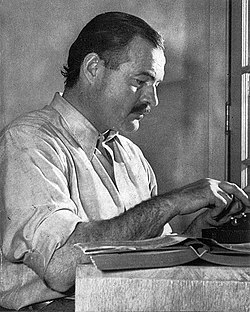
Ernest Hemingway
Stati Uniti · Sulla mappa · Scrittori · 1899-1961 · 61 anni
Ernest Miller Hemingway (Oak Park, 21 luglio 1899 - Ketchum, 2 luglio 1961) è stato uno scrittore e giornalista statunitense. Fu autore di romanzi e di racconti.
Testo tratto da Wikipedia, CC BY-SA 4.0
Ernest Hemingway: circa 8967 letture al giorno, in 153 lingue.
Un giorno tipico, 30 giorni fino al giorno 21 novembre 2026
Il giorno centrale tra quelli contati, quindi una settimana di notizie non può spostarlo. La linea sotto mostra gli ultimi 400 giorni, un punto al giorno.
Qualcosa non va?Una vita in date
Intorno a Ernest
 A. E. Hotchner Anche in The Battler e For Whom the Bell Tolls
 Robert Louis Stevenson Ha influenzato Ernest
- Mario Berrino Ha influenzato Ernest
 Ava Gardner Ernest ha scritto The Killers (1950)
 Marcel Dalio Ernest ha scritto The Snows of Kilimanjaro (1952)
 Charles Bukowski Tra le sue influenze: Ernest
 Andrei Tarkovsky Regia: The Killers (1956)
 Gary Cooper Anche in A Farewell to Arms (1932)
 John Updike Tra le sue influenze: Ernest
 Philip Roth Tra le sue influenze: Ernest
 Robert Capa Tra le sue influenze: Ernest
 Joyce Carol Oates Tra le sue influenze: Ernest
 Howard Hawks Regia: To Have and Have Not (1945)
 Frank Borzage Regia: A Farewell to Arms (1932)
 Michael Curtiz Regia: The Breaking Point (1950)
 Tom Wolfe Tra le sue influenze: Ernest
 Eddie Albert Anche in The Sun Also Rises e The Gun Runners
 Robert Siodmak Regia: The Killers (1946)
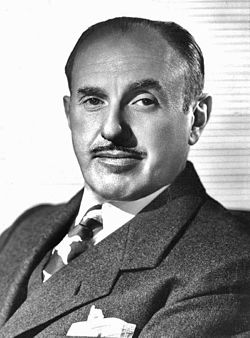 Jack L. Warner Produzione: To Have and Have Not (1945)
 Kjell Askildsen Tra le sue influenze: Ernest
- Fred Coe Produzione: The Battler (1955)
 Mark Hellinger Produzione: The Killers (1946)
 Peter Viertel Anche in The Sun Also Rises (1957)
 Leland Hayward Produzione: The Old Man and the Sea (1958)
Genitori

 Ernest Hemingway
Partner


Figli

Fratelli e sorelle

È tutta la famiglia?
Sono mostrati solo i parenti che hanno un profilo qui, quindi una famiglia può essere più grande. Anche un legame può essere sbagliato. Un matrimonio appare concluso solo se la sua fine è registrata: un coniuge mostrato qui potrebbe quindi essere un ex coniuge.
Correggi questa famigliaMedia e musica
Foto 12
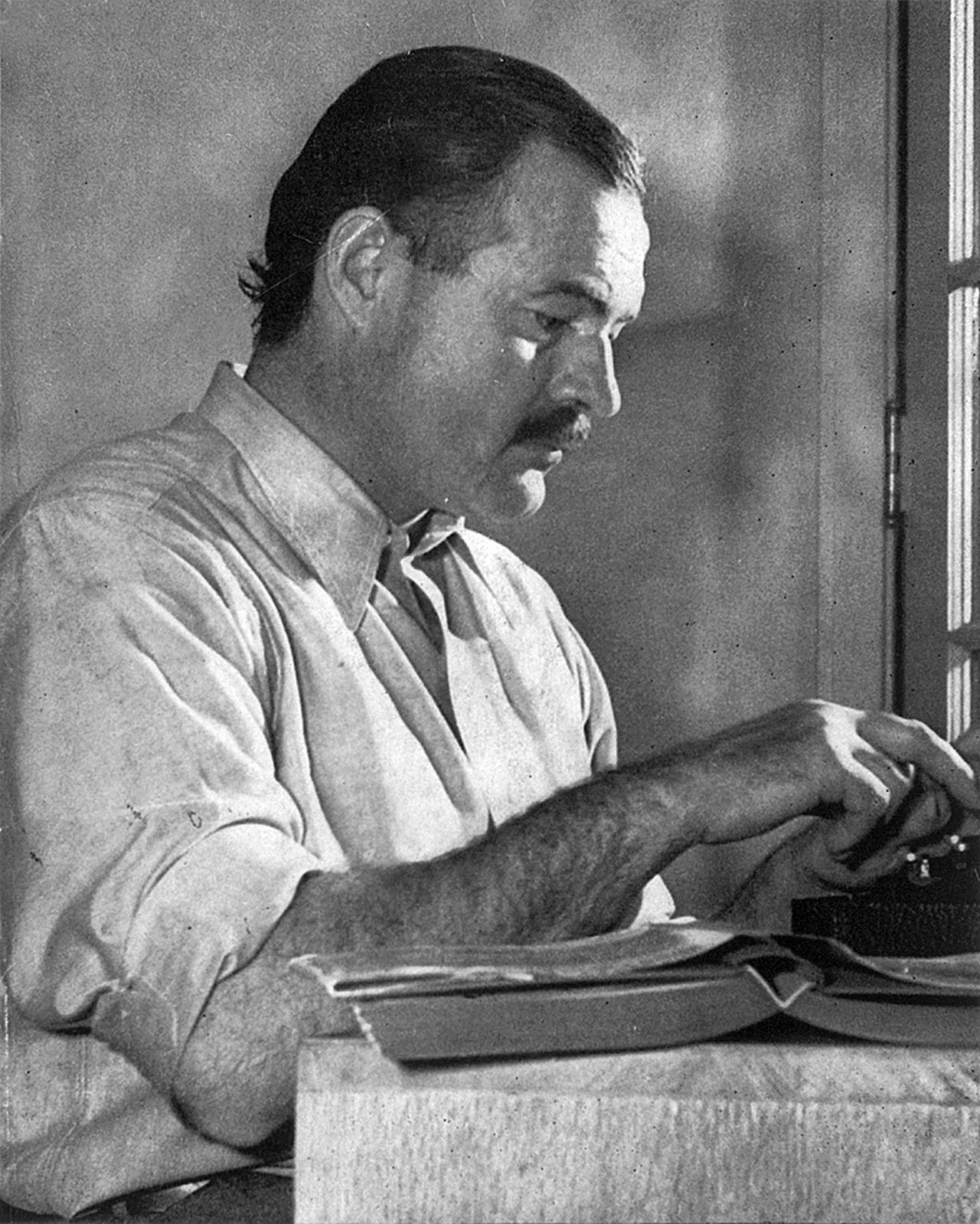


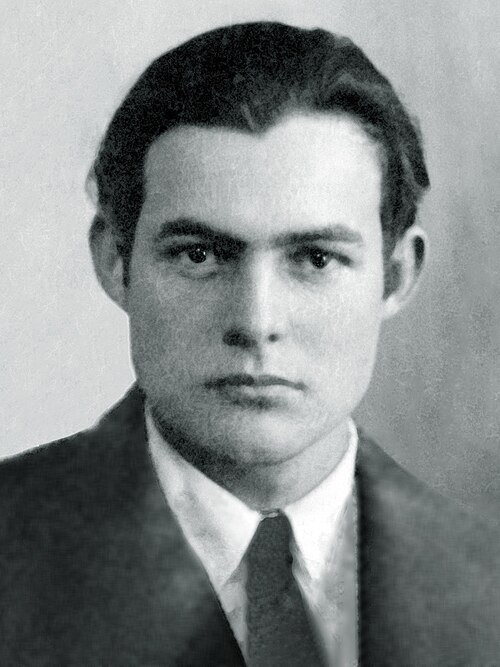

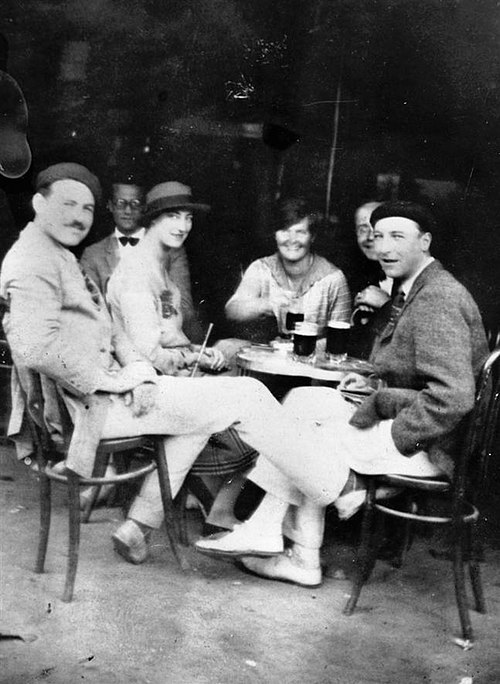
Citazioni 4
, I've tried to reduce profanity but I reduced so much profanity when writing the book that I'm afraid not much could come out.
God knows, people who are paid to have attitudes toward things, professional critics, make me sick; camp-following eunuchs of literature. They won't even whore.
A man's got to take a lot of punishment to write a really funny book.
Premi
Su questa persona
Soprannominato Papa, fece parte della comunità di espatriati americani a Parigi durante gli anni Venti, conosciuta come la "Generazione perduta" (espressione attribuita a Gertrude Stein) e da lui stesso così chiamata nel libro di memorie Festa mobile. Condusse una vita sociale turbolenta, si sposò quattro volte e gli furono attribuite varie relazioni sentimentali. Raggiunse già in vita una non comune popolarità e fama che lo elevarono a mito delle nuove generazioni. Hemingway ricevette il Premio Pulitzer nel 1953 per Il vecchio e il mare e vinse il premio Nobel per la letteratura nel 1954. Lo stile di Hemingway, caratterizzato dall'asciuttezza, dalla semplicità paratattica e dall'ipobole - da lui definito teoria dell'iceberg - ebbe una significativa influenza sullo sviluppo del romanzo nel XX secolo. I suoi protagonisti sono tipicamente uomini dall'indole stoica, i quali vengono chiamati a mostrare "grazia" in situazioni di disagio (grace under pressure). Molte delle sue opere sono considerate pietre miliari della letteratura statunitense. Di lui è stato scritto:
Testo tratto da Wikipedia, CC BY-SA 4.0