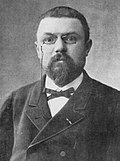
Denis Diderot
Francia · Sulla mappa · Accademici · 1713-1784 · 70 anni
Denis Diderot (Langres, 5 ottobre 1713 - Parigi, 31 luglio 1784) è stato un filosofo, critico d'arte, enciclopedista, scrittore e drammaturgo francese, uno dei massimi rappresentanti dell'Illuminismo e uno degli intellettuali più rappresentativi del XVIII secolo.
Testo tratto da Wikipedia, CC BY-SA 4.0
Denis Diderot: circa 1250 letture al giorno, in 101 lingue.
Un giorno tipico, 30 giorni fino al giorno 20 novembre 2026
Il giorno centrale tra quelli contati, quindi una settimana di notizie non può spostarlo. La linea sotto mostra gli ultimi 400 giorni, un punto al giorno.
Qualcosa non va?Una vita in date
Intorno a Denis

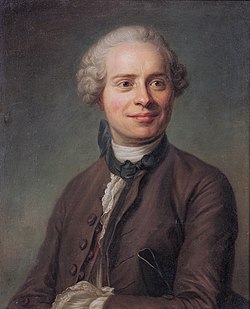



 Denis Diderot
Partner

È tutta la famiglia?
Sono mostrati solo i parenti che hanno un profilo qui, quindi una famiglia può essere più grande. Anche un legame può essere sbagliato. Un matrimonio appare concluso solo se la sua fine è registrata: un coniuge mostrato qui potrebbe quindi essere un ex coniuge.
Correggi questa famigliaMedia e musica
Foto 8


Citazioni 5
, Man was born to live with his fellow human beings.
It has been said that love robs those who have it of their wit, and gives it to those who have none.
Only a very bad theologian would confuse the certainty that follows revelation with the truths that are revealed. They are entirely different things.
Su questa persona
Era amico e collaboratore di Voltaire e del barone d'Holbach, col quale scrisse numerose opere anonime di intonazione antireligiosa e anticlericale. Fu promotore, direttore editoriale ed editore dell'Encyclopédie, avvalendosi inizialmente dell'importante collaborazione di d'Alembert, che però alle prime difficoltà con la censura (dopo la condanna del testo De l'esprit di Helvétius, anch'egli collaboratore) si ritirerà. Sarà Diderot, dirigendo l'opera e scrivendo circa 5 000 voci, spesso anonime, che porterà avanti l'impresa quasi da solo, grazie a vari finanziamenti, sino all'uscita degli ultimi volumi nel 1772. Oltre al colossale lavoro enciclopedico e alle pubblicazioni anonime per aggirare la censura, Diderot scrisse numerose opere filosofiche e teatrali, romanzi, articoli e saggi su disparati argomenti, occupandosi di arte, storia, politica e società.
Testo tratto da Wikipedia, CC BY-SA 4.0